TicCompany: Designing A Knowledge-Driven QA Ecosystem

Context & Challenge

TicCompany is a marketplace connecting professionals and organisations — but its QA (Quality Assurance) journey was fragmented and inconsistent. Users struggled to verify skills, share insights, and find meaningful learning pathways.

The problem wasn’t lack of features — it was about clarity, trust, and progression. Without a coherent experience for QA and professional profiles, engagement plateaued, and perceived value diminished.

Role & Contribution

As the lead designer on this initiative, I:

  • Defined the UX vision in partnership with product leadership
  • Scoped the QA ecosystem as a strategic differentiator
  • Led research, concept framing, and interface design
  • Partnered with engineering to align technical feasibility with experience intent
  • Championed quality and consistency through reusable patterns

My role was anchored in translating a loosely defined product problem into a strategic, systems-based design direction.

Research & Insights

I engaged a blend of research methods:

  • Stakeholder interviews to uncover business goals
  • User feedback to understand motivations and pain
  • Competitor analysis to distinguish positioning opportunities

Key insights:

  • Users needed visible progression and clear indicators of expertise
  • QA feedback loops were perceived as opaque
  • Navigation patterns lacked predictability
  • Long-term engagement depended on trust signals

These insights informed our reframing: QA wasn’t a feature — it was part of the professional identity journey.

1

Goals & Strategic Objectives

  • Strengthen perceived expertise and reputation validation
  • Improve discoverability and clarity in QA workflows
  • Reduce cognitive load in professional profiling
  • Design reusable patterns for future knowledge features
research
dashboard

2

Design Strategy & Approach

We focused on:

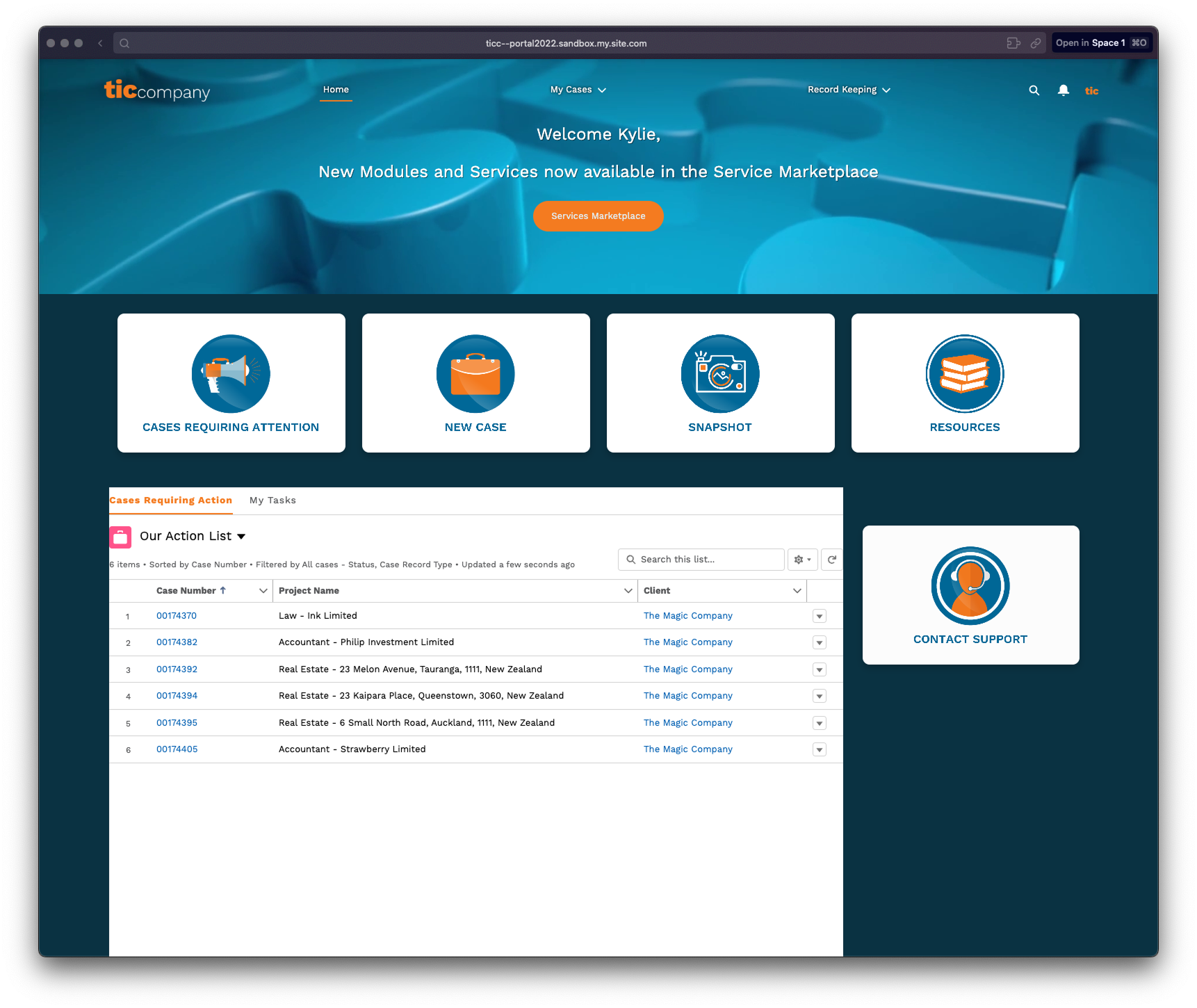
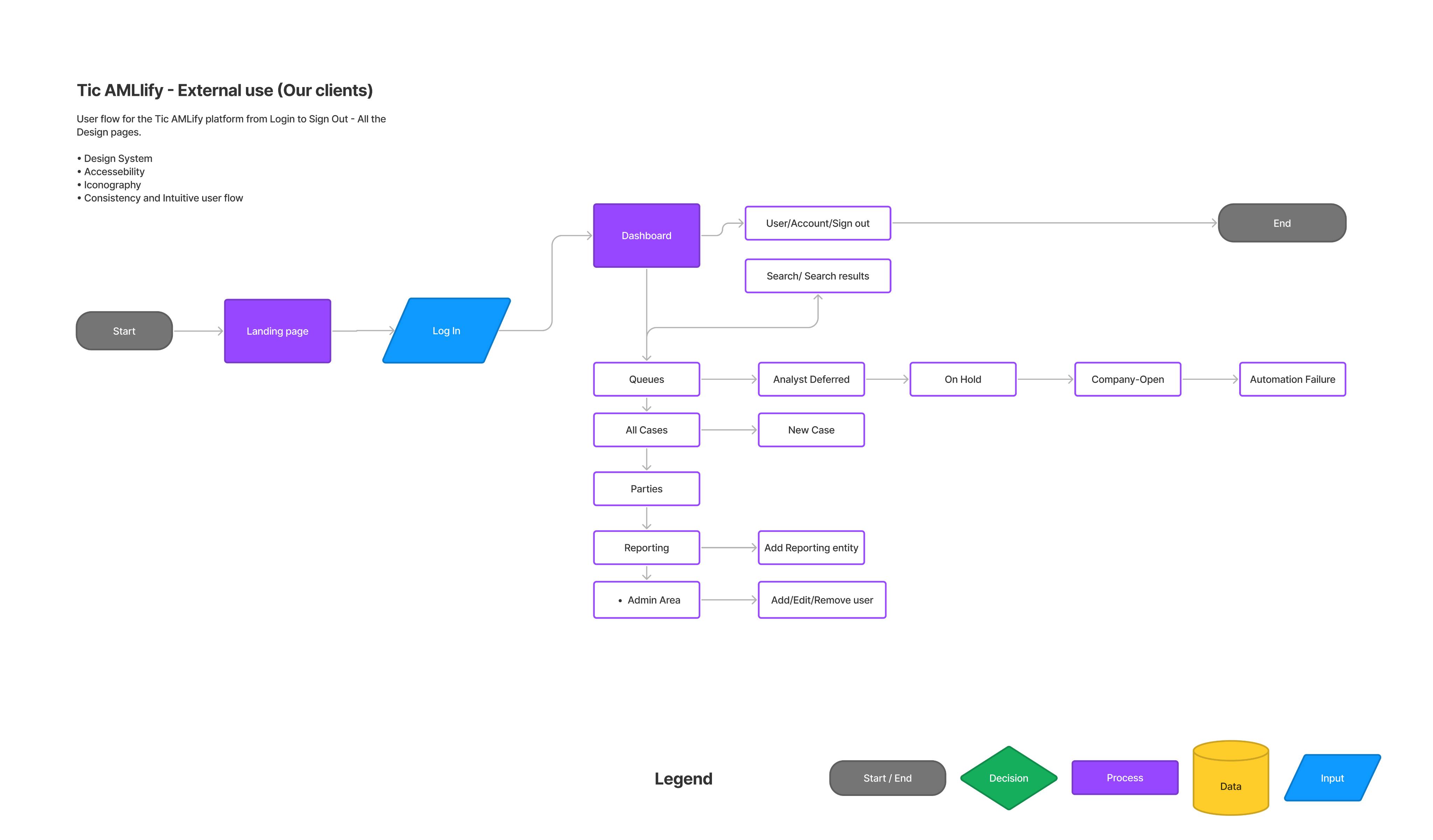
  • Progression hierarchy: Clear milestones and visual indicators
  • Guided interaction flows: Reduced friction in QA actions
  • Trust signals: Ratings, feedback summaries, and consistency cues
  • Scalable patterns: Modular UI components for future extensions

Rather than inventing disconnected screens, we built a cohesive ecosystem.

abtesting
registration
Arrow

3

Solution

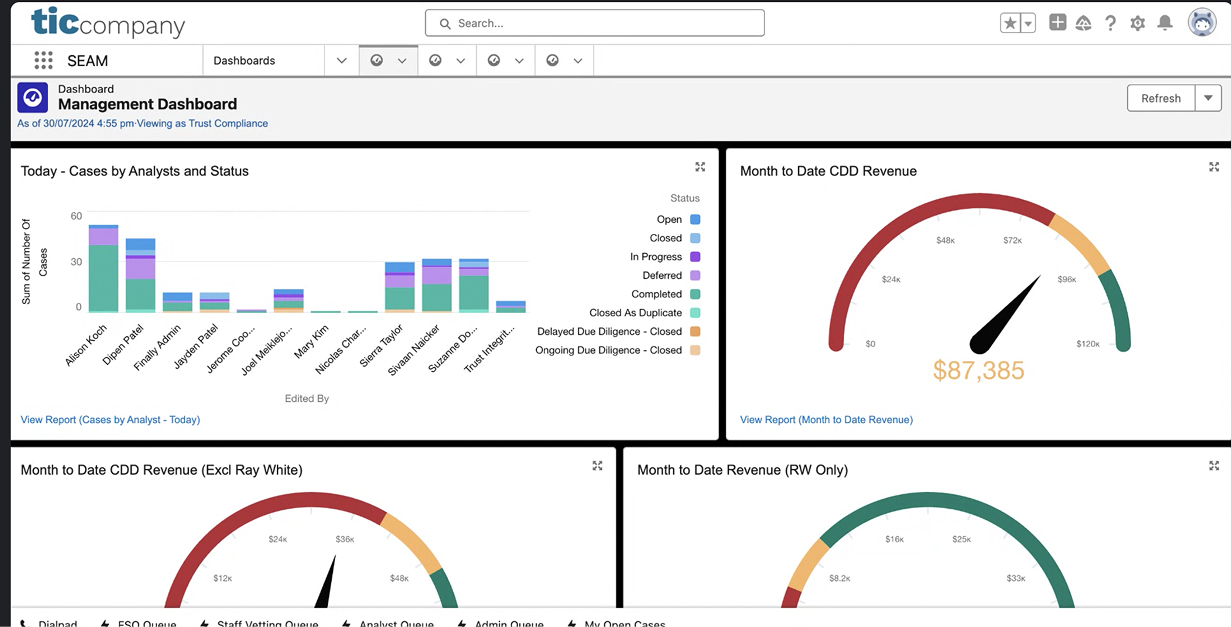
  • Redesigned QA dashboards with clear visual hierarchy
  • Introduced feedback and progression states
  • Optimised navigation and contextual cues
  • Standardised pattern library elements for profile and QA interactions

Every design decision was tied to how it supported user confidence and repeat engagement.

popup

Results & impact

  • Increased engagement with QA workflows
  • Improved session duration on professional profile pages
  • Higher user satisfaction based on feedback cycles
  • Stronger perceived value in expertise validation

These shifts strengthened overall platform stickiness, not just isolated task completion.

Reflection & Learnings

This project reaffirmed:

    • Trust is a UX artefact, not just a backend metric
    • Models of progression must be clear, visible, and motivating
    • Emotional clarity drives repeated engagement

Future iterations could explore AI-assisted recommendations for QA improvement based on skill gaps.

TicCompany: Designing A Knowledge-Driven QA Ecosystem

Context & Challenge

TicCompany is a marketplace connecting professionals and organisations — but its QA (Quality Assurance) journey was fragmented and inconsistent. Users struggled to verify skills, share insights, and find meaningful learning pathways.

The problem wasn’t lack of features — it was about clarity, trust, and progression. Without a coherent experience for QA and professional profiles, engagement plateaued, and perceived value diminished.

Role & Contribution

As the lead designer on this initiative, I:

  • Defined the UX vision in partnership with product leadership
  • Scoped the QA ecosystem as a strategic differentiator
  • Led research, concept framing, and interface design
  • Partnered with engineering to align technical feasibility with experience intent
  • Championed quality and consistency through reusable patterns

My role was anchored in translating a loosely defined product problem into a strategic, systems-based design direction.

Research & Insights

I engaged a blend of research methods:

  • Stakeholder interviews to uncover business goals
  • User feedback to understand motivations and pain
  • Competitor analysis to distinguish positioning opportunities

Key insights:

  • Users needed visible progression and clear indicators of expertise
  • QA feedback loops were perceived as opaque
  • Navigation patterns lacked predictability
  • Long-term engagement depended on trust signals

These insights informed our reframing: QA wasn’t a feature — it was part of the professional identity journey.

1

Goals & Strategic Objectives

  • Strengthen perceived expertise and reputation validation
  • Improve discoverability and clarity in QA workflows
  • Reduce cognitive load in professional profiling
  • Design reusable patterns for future knowledge features
research
dashboard

2

Design Strategy & Approach

We focused on:

  • Progression hierarchy: Clear milestones and visual indicators
  • Guided interaction flows: Reduced friction in QA actions
  • Trust signals: Ratings, feedback summaries, and consistency cues
  • Scalable patterns: Modular UI components for future extensions

Rather than inventing disconnected screens, we built a cohesive ecosystem.

abtesting
registration
Arrow

3

Solution

  • Redesigned QA dashboards with clear visual hierarchy
  • Introduced feedback and progression states
  • Optimised navigation and contextual cues
  • Standardised pattern library elements for profile and QA interactions

Every design decision was tied to how it supported user confidence and repeat engagement.

popup
Arrow down

Results & impact

  • Increased engagement with QA workflows
  • Improved session duration on professional profile pages
  • Higher user satisfaction based on feedback cycles
  • Stronger perceived value in expertise validation

These shifts strengthened overall platform stickiness, not just isolated task completion.

Reflection & Learnings

This project reaffirmed:

    • Trust is a UX artefact, not just a backend metric
    • Models of progression must be clear, visible, and motivating
    • Emotional clarity drives repeated engagement

Future iterations could explore AI-assisted recommendations for QA improvement based on skill gaps.

Design

TicCompany: Designing A Knowledge-Driven QA Ecosystem

Context & Challenge

TicCompany is a marketplace connecting professionals and organisations — but its QA (Quality Assurance) journey was fragmented and inconsistent. Users struggled to verify skills, share insights, and find meaningful learning pathways.

The problem wasn’t lack of features — it was about clarity, trust, and progression. Without a coherent experience for QA and professional profiles, engagement plateaued, and perceived value diminished.

Role & Contribution

As the lead designer on this initiative, I:

  • Defined the UX vision in partnership with product leadership
  • Scoped the QA ecosystem as a strategic differentiator
  • Led research, concept framing, and interface design
  • Partnered with engineering to align technical feasibility with experience intent
  • Championed quality and consistency through reusable patterns

My role was anchored in translating a loosely defined product problem into a strategic, systems-based design direction.

Research & Insights

I engaged a blend of research methods:

  • Stakeholder interviews to uncover business goals
  • User feedback to understand motivations and pain
  • Competitor analysis to distinguish positioning opportunities

Key insights:

  • Users needed visible progression and clear indicators of expertise
  • QA feedback loops were perceived as opaque
  • Navigation patterns lacked predictability
  • Long-term engagement depended on trust signals

These insights informed our reframing: QA wasn’t a feature — it was part of the professional identity journey.

research
dashboard

1

Goals & Strategic Objectives

  • Strengthen perceived expertise and reputation validation
  • Improve discoverability and clarity in QA workflows
  • Reduce cognitive load in professional profiling
  • Design reusable patterns for future knowledge features

2

Design Strategy & Approach

We focused on:

  • Progression hierarchy: Clear milestones and visual indicators
  • Guided interaction flows: Reduced friction in QA actions
  • Trust signals: Ratings, feedback summaries, and consistency cues
  • Scalable patterns: Modular UI components for future extensions

Rather than inventing disconnected screens, we built a cohesive ecosystem.
abtesting
registration
Arrow
popup

3

Solution

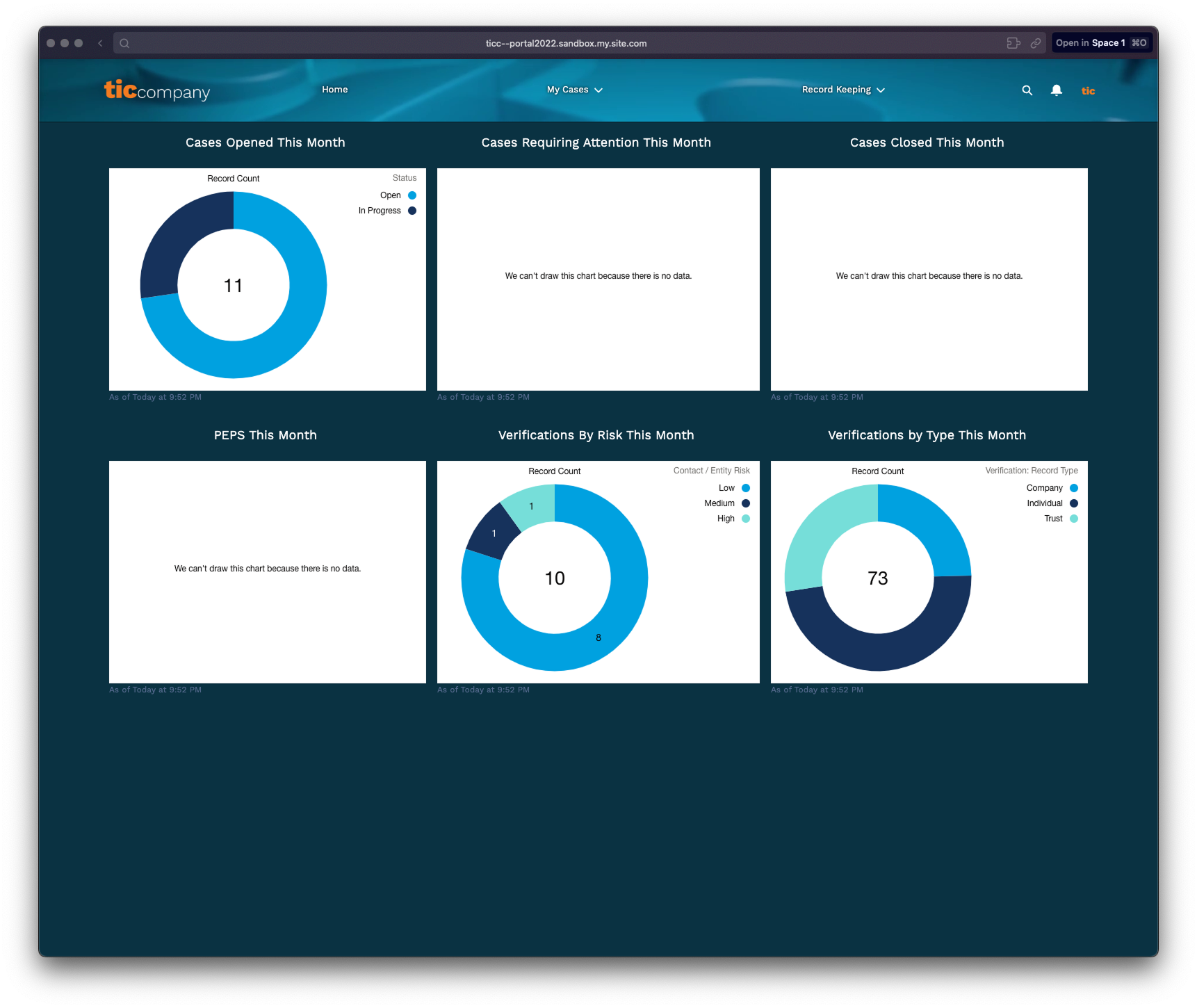
  • Redesigned QA dashboards with clear visual hierarchy
  • Introduced feedback and progression states
  • Optimised navigation and contextual cues
  • Standardised pattern library elements for profile and QA interactions

Every design decision was tied to how it supported user confidence and repeat engagement.
Arrow down

Results & Impact

  • Increased engagement with QA workflows
  • Improved session duration on professional profile pages
  • Higher user satisfaction based on feedback cycles
  • Stronger perceived value in expertise validation

These shifts strengthened overall platform stickiness, not just isolated task completion.

Reflection & Learnings

This project reaffirmed:

    • Trust is a UX artefact, not just a backend metric
    • Models of progression must be clear, visible, and motivating
    • Emotional clarity drives repeated engagement

Future iterations could explore AI-assisted recommendations for QA improvement based on skill gaps.

Design