Unleashed Dashboard: Operational Clarity at Scale

Context & Challenge

The Unleashed dashboard served inventory-heavy businesses managing complex supply chains. Data was abundant but lacked prioritization.

Users weren’t struggling with access — they were struggling with meaning.

Role & Contribution

The Unleashed dashboard served inventory-heavy businesses managing complex supply chains. Data was abundant but lacked prioritization.

Users weren’t struggling with access — they were struggling with meaning.

Research & Insights

  • Users relied on external spreadsheets
  • Critical metrics were buried
  • Cognitive overload slowed decision-making

Insight: dashboards should reduce interpretation time, not increase it.

1

Goals & Strategic Objectives

  • Improve signal-to-noise ratio
  • Increase daily dashboard engagement
  • Reduce dependency on external exports
research
dashboard

2

Design Strategy & Approach

We prioritised:

  • Data hierarchy
  • Progressive detail
  • Modular card architecture
  • Clear visual weighting
abtesting
registration
Arrow

3

Solution

  • Reorganised KPI structure
  • Introduced modular dashboard widgets
  • Improved filtering and drill-down interaction
  • Enhanced visual consistency and scanning clarity
popup
Arrow down

Results & Impact

  • Increased dashboard engagement
  • Reduced export reliance
  • Improved user confidence in operational insights

Reflection & Learnings

  • Data-heavy environments demand ruthless prioritization.
  • This project reinforced the importance of designing for decision speed, not data density.
  • Future direction: predictive alerts and anomaly surfacing.

Design

mobile

Unleashed Dashboard: Operational Clarity at Scale

Context & Challenge

The Unleashed dashboard served inventory-heavy businesses managing complex supply chains. Data was abundant but lacked prioritization.

Users weren’t struggling with access — they were struggling with meaning.

Role & Contribution

The Unleashed dashboard served inventory-heavy businesses managing complex supply chains. Data was abundant but lacked prioritization.

Users weren’t struggling with access — they were struggling with meaning.

Research & Insights

  • Users relied on external spreadsheets
  • Critical metrics were buried
  • Cognitive overload slowed decision-making

Insight: dashboards should reduce interpretation time, not increase it.

1

Goals & Strategic Objectives

  • Improve signal-to-noise ratio
  • Increase daily dashboard engagement
  • Reduce dependency on external exports
research
dashboard

2

Design Strategy & Approach

We prioritised:

  • Data hierarchy
  • Progressive detail
  • Modular card architecture
  • Clear visual weighting
abtesting
registration
Arrow

3

Solution

  • Reorganised KPI structure
  • Introduced modular dashboard widgets
  • Improved filtering and drill-down interaction
  • Enhanced visual consistency and scanning clarity
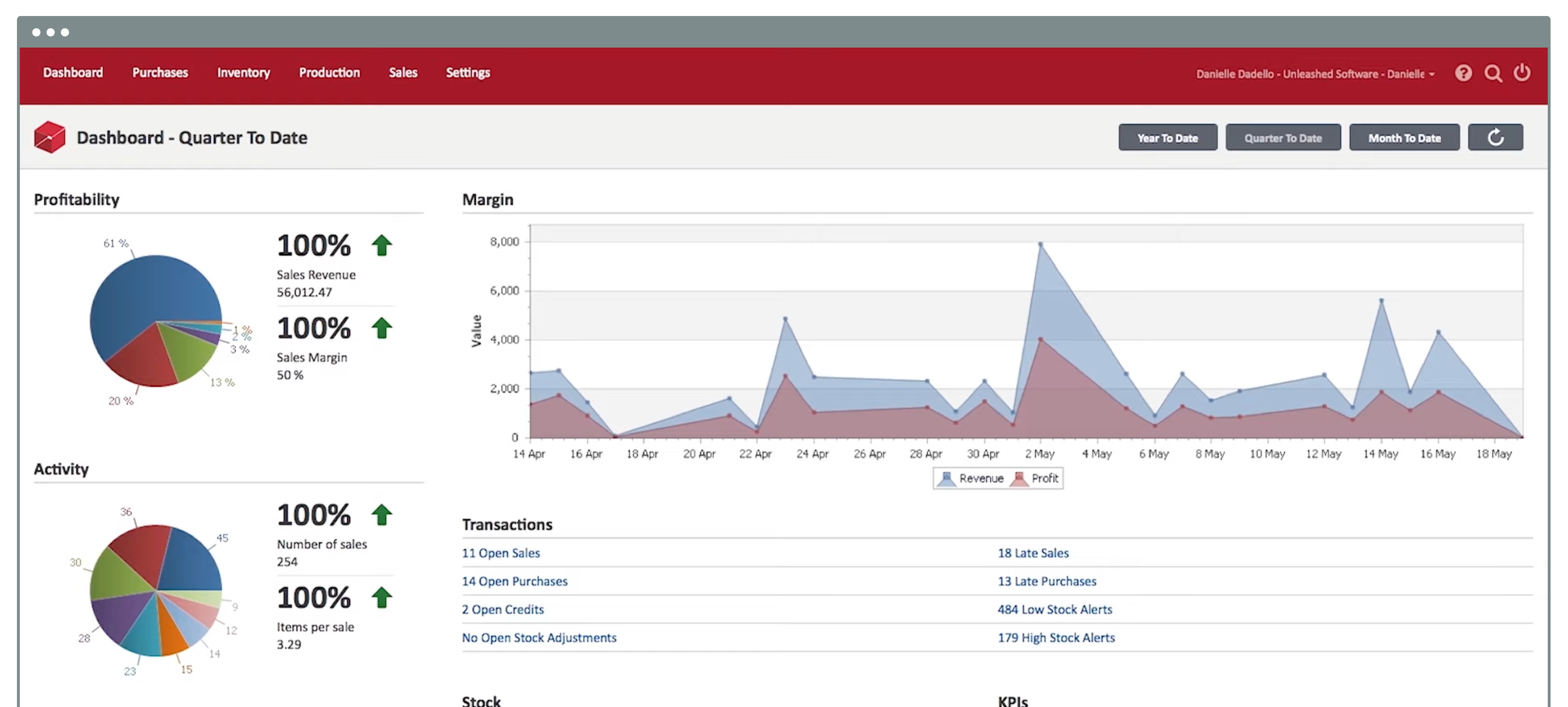
popup
Arrow down

Results & Impact

  • Increased dashboard engagement
  • Reduced export reliance
  • Improved user confidence in operational insights

Reflection & Learnings

  • Data-heavy environments demand ruthless prioritization.
  • This project reinforced the importance of designing for decision speed, not data density.
  • Future direction: predictive alerts and anomaly surfacing.

Design

Unleashed Dashboard: Operational Clarity at Scale

Context & Challenge

The Unleashed dashboard served inventory-heavy businesses managing complex supply chains. Data was abundant but lacked prioritisation.

Users weren’t struggling with access — they were struggling with meaning.

Role & Contribution

As Creative Design, I:

  • Reframed dashboard objectives around decision velocity
  • Defined hierarchy strategy for data surfacing
  • Led cross-functional alignment on KPI prioritisation
  • Delivered interaction and layout redesign

Research & Insights

  • Users relied on external spreadsheets
  • Critical metrics were buried
  • Cognitive overload slowed decision-making

Insight: dashboards should reduce interpretation time, not increase it.

research
dashboard

1

Goals & Strategic Objectives

  • Improve signal-to-noise ratio
  • Increase daily dashboard engagement
  • Reduce dependency on external exports

2

Design Strategy & Approach

We prioritised:

  • Data hierarchy
  • Progressive detail
  • Modular card architecture
  • Clear visual weighting
abtesting
registration
Arrow
popup

3

Solution

  • Reorganised KPI structure
  • Introduced modular dashboard widgets
  • Improved filtering and drill-down interaction
  • Enhanced visual consistency and scanning clarity
Arrow down

Results & Impact

  • Increased dashboard engagement
  • Reduced export reliance
  • Improved user confidence in operational insights

Reflection & Learnings

  • Data-heavy environments demand ruthless prioritization.
  • This project reinforced the importance of designing for decision speed, not data density.
  • Future direction: predictive alerts and anomaly surfacing.

Design